Certified Auto Technicians Bechtelsville
You need ASE-certified technicians in Bechtelsville who use OEM service data and factory-level scan tools for precise diagnostics, confirmed repairs, and clear documentation. Anticipate standardized inspections, torque-spec adherence, oscilloscope and smoke testing, ADAS calibrations, and module programming with battery support. Secure line-item estimates, published labor rates, and written warranties. Ask for photos, fault codes, test results, and returned parts. Focus on shops with OEM-level subscriptions, TSB access, and strong comeback metrics. You'll also see how to pick the right shop and fast-track approvals.
Key Takeaways
- Choose shops with ASE-certified technicians, OEM scan tools, and documented test plans for precise diagnosis and verified repairs.
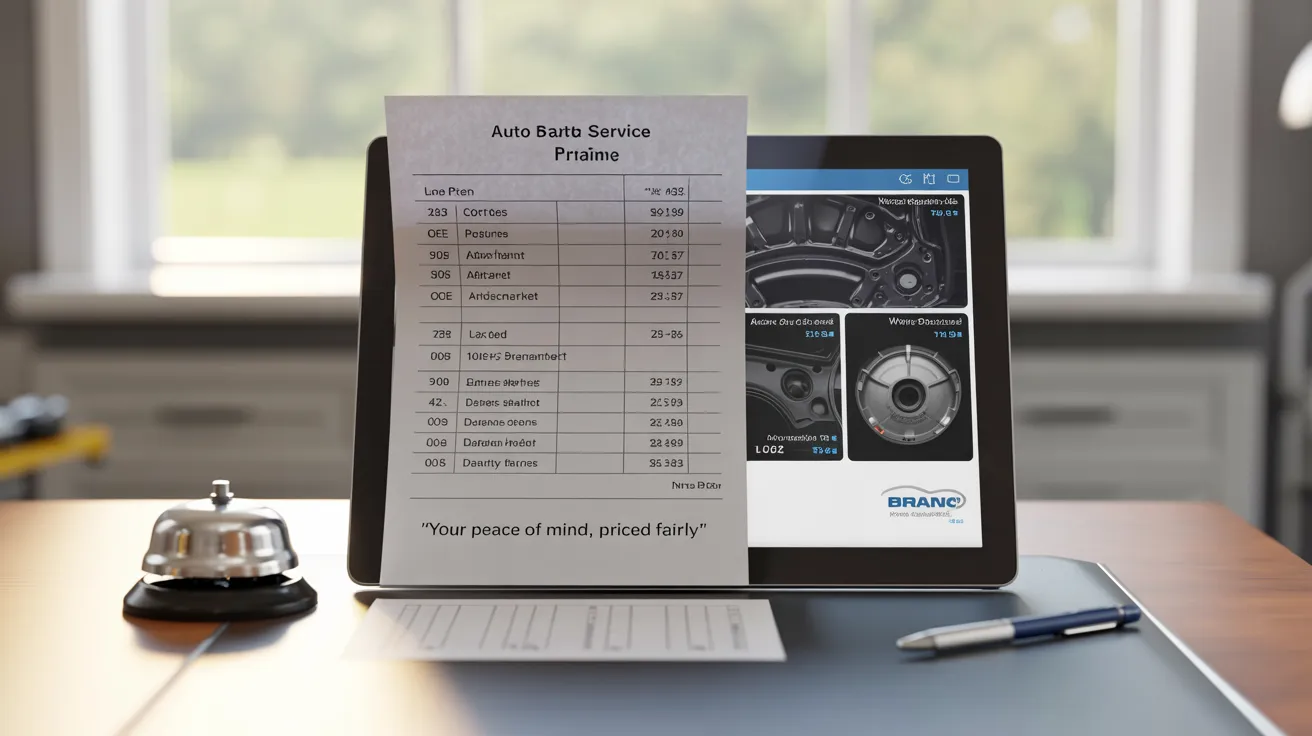
- Ask for itemized digital estimates displaying labor hours, OEM vs aftermarket parts, taxes, and diagnostic fees before approval.
- Check ability for ADAS calibration services, module programming, key programming, and manufacturer-level electrical and driveability diagnostics.
- Look for written warranty coverage on both parts and labor, clear schedules, parts lead times, and text alerts for authorizations.
- Prefer shops that offer photo inspections, returned parts upon request, and road test and quality control sign-offs after repairs.
Why Bechtelsville Auto Shops Unique
Start with the essentials: Bechtelsville auto shops stand out through ASE-certified technicians, OEM-grade diagnostics, and structured repair workflows. You benefit from standardized inspection protocols, torque-spec adherence, and documented test plans that reduce comebacks and guesswork. Shops calibrate scan tools regularly, follow OEM service information, and confirm repairs with post-fix data logs.
You'll observe stringent parts vetting-original or OE-equivalent components, validated batch traceability, and warranty-backed installations. Continuous training ensures mechanics informed on CAN bus architectures, ADAS calibrations, and developing powertrain controls. Clean-room procedures preserve sensitive modules, while battery support units secure voltage during programming.
Outside the harbor, Local partnerships and Community events strengthen responsibility. You receive clear price quotes, photo-documented digital inspection reports, and transparent cause analyses that value your time and budget.
Services You Can Expect From Local Technicians
With identical attention on process control and OEM standards, local technicians deliver a extensive service suite: routine maintenance (engine oil, fluids, filters), brake service with rotor runout and pad bedding specs, tire services with road-force balancing and TPMS programming, steering and suspension diagnostics with alignment to factory angles, and HVAC repairs incorporating leak detection and refrigerant weight verification. You also get electrical and drivability diagnostics employing OE scan data, bidirectional tests, and oscilloscope waveform analysis for accurate fault isolation. For convenience, shops offer mobile diagnostics when a vehicle can't be moved, plus roadside assistance for jump-starts, flats, and light recoveries. Battery testing with conductance profiling, charging-system evaluation, and starting-circuit voltage drop checks ensure reliable cranking. Software updates, key programming, and ADAS calibrations finish the service range.
How to Assess Certifications and Experience
You should verify recognized mechanic certifications like ASE, OEM-specific training, and current state inspection licenses. Verify both scope and timeliness of credentials, including expiration dates and advanced modules pertaining to your vehicle's systems. Subsequently assess proven hands-on background with documented repair volumes, model-specific experience, and measurable outcomes such as comeback rates and warranty claim performance.
Recognized Auto Mechanic Accreditations
Although glossy shop ads can impress, certifications and logged experience are what truly validate a mechanic's skill. You should confirm that technicians are ASE Certified across relevant specialties: A1-A9 for automotive, L1 for advanced engine performance, and L3 for hybrid/electric diagnostics. Choose shops where the ASE Blue Seal of Excellence is displayed and current; certifications don't last forever, so you need recent exam dates.
Verify Factory Training that corresponds to your vehicle-Ford STST, GM ASEP, Toyota T-TEN, Honda PACT, or VW/Audi factory programs. These certifications guarantee OEM methods, torque specs, software calibrations, and service bulletins are implemented accurately. Question whether scan tools are OEM-level and subscriptions to OEM service information are active. Request documentation: certificate numbers, renewal periods, and scope of coverage.
Demonstrated Practical Track Record
Certifications provide the minimum standard; confirmed hands-on experience demonstrates practical expertise. Inquire about how many years a specialist has worked on systems similar to your vehicle's manufacturer, model, and engine type. Seek examples: troubleshooting cases completed, chronic issue repairs, and warranty revisit frequency. Verify they follow OEM service information, torque specifications, and calibration processes.
Assess shop culture. Do they conduct structured Apprenticeship programs with documented skill progression and mentor sign-offs? Check repair orders for test-plan notes, scope captures, and post-repair validation. Validate equipment proficiency: scan tools with current subscriptions, oscilloscope use, smoke testing, and ADAS calibrations.
Examine regional footprint. Community partnerships with fleet operators, vocational schools, or nonprofit clinics reveal reliable, wide-ranging workloads. Lastly, ask for references from longtime customers and evaluate parts/labor warranties that meet industry standards.
Transparent Rates and Guarantee Terms
When cost clarity drives decisions, honest pricing and warranty specifics help you review bids and defend your investment with certainty. You should demand line‑item estimates that list technician hours, factory vs. alternative parts, shop supplies, applicable taxes, plus diagnostic fees. Price clarity encompasses disclosed hourly rates, flat‑rate vs. time‑and‑materials methods, and any thresholds that trigger approval before additional work proceeds.
Obtain written warranty documents specifying parts and labor coverage, duration and distance limitations, transferability, and exclusions such as wear items or improper maintenance. Warranty clarity necessitates knowing claim procedures, required documentation, and whether coverage is nationwide through a network. Confirm whether parts carry manufacturer warranties independent of shop guarantees, and how proration works. Make certain all promises appear on your final invoice, signed, dated, and stored for future claims.
Processing Times and Scheduling Strategies
Once pricing and warranty terms are settled, you should consider how long repairs will actually keep your vehicle off the road. Ask for a written estimate that includes work hours, parts lead times, and shop backlog. Confirm appointment windows, drop-off deadlines, and promised delivery times; confirm whether clock time starts at check-in or technician assignment. For diagnostics, anticipate same-day results; for brakes, tires, or fluids, budget 2-6 hours; for timing belts, clutches, or suspension, expect 1-2 days, based on parts availability.
Make your booking early in the week to sidestep weekend spillover. Authorize estimates promptly to avoid stall-outs. Enable service reminders and enable text updates so you can confirm supplements in real time. Set up alternate transportation, and check post-repair road test timing before pickup to eliminate delays.
Client Reviews and Reputation Verification Points
Even though star means look reassuring, you should investigate the information behind them. Analyze variance: a 4.8 with 40 reviews isn't the same to a 4.6 with 600. Examine recent comments to detect drift in quality after staffing changes. Prioritize specifics-diagnostic accuracy, warranty honoring, comebacks, and communication clarity-over generic praise. Verify online ratings with neighbor feedback to verify consistency across platforms.
Identify patterns: consistent references of correct first-time fixes, transparent estimates, torque-spec adherence, and OEM vs. aftermarket parts disclosure. Mark red signs: upsell pressure, missed delivery times, misdiagnoses, and billing disputes. Verify responses from the shop-well-crafted, time-stamped, and solution-oriented replies show process maturity. Check technician credentials (ASE), equipment capabilities (OEM scan tools), and documented repair procedures mentioned by reviewers.
Service Plans for Long-Term Vehicle Health
Start by formalizing a service cadence that aligns manufacturer intervals with your vehicle's duty cycle, environment, and mileage patterns. Map tasks by engine hours or odometer triggers, not calendar guesses. Focus on preventive inspections at each visit: brakes, steering, suspension, belts, hoses, battery conductance, tire wear, and alignment. Integrate fluid management with lab-backed intervals—engine oil by specification and analysis, transmission and differential by temperature load, coolant by chemistry and pH, brake fluid by moisture content, and power steering fluid by particulate levels.
Schedule filter replacements (air, cabin, fuel) based on restriction metrics, not arbitrary dates. Set spark plug and ignition service to combustion data and misfire history. Document observations, torque specs, and part numbers. Track progression, not snapshots-resolve root causes, verify repairs, and adjust the plan as operating conditions change.
Picking the Right Service Center for Your Make and Model
Your maintenance program's success relies on technicians with expertise in your particular vehicle platform. Choose a shop that specializes in your make and maintains current OEM service data, tooling, and software. Ensure they conduct manufacturer-specific diagnostics using factory-grade scanning equipment, not universal code readers. Ensure they have technical service bulletin access, programming capabilities, and calibration processes for ADAS systems, transmissions, and electronic modules.
Check whether the shop supports your engine family, drivetrain, and common failure modes. If you have aftermarket upgrades—intakes, turbos, suspension, or tuning,ensure they can examine interactions with sensors, fueling, and emissions systems, and verify changes through datalogging. Seek out technicians with relevant ASE/L1 and brand certifications. Review parts sourcing: OEM versus high-quality aftermarket. Finally, evaluate documented test plans, road-test protocols, and quality control sign-offs.
Essential Questions Prior to Approving Repairs
Prior to approving any service, nail down the diagnosis, the root cause, and how the proposed repair addresses it. Ask to see fault codes, test results, and worn components. Confirm whether the fix addresses symptoms or underlying failure modes.
Request a written estimate with line-item labor hours, parts numbers, and estimated costs, including tax amounts, shop fees, and potential contingencies. Verify repair timelines: start time, completion window, parts lead times, and what happens if delays happen. Confirm warranty terms on parts and labor, coverage duration, and claims process.
Ask about OEM compared to aftermarket parts, calibration requirements, and whether programming or alignments are included. Ascertain if additional authorizations are needed for supplements. Finally, document all approvals and require returned parts for verification.
Common Questions
Will Local Repair Shops Offer Mobile Diagnostics or Roadside Assistance in Bechtelsville?
Yes. In Bechtelsville, various local shops supply on-site Mobile diagnostics and limited Roadside assistance. You can expect OBD-II/OBD2 scan services, battery/charging tests, sensor data logging, and basic repairs such as battery swaps, alternator checks, ignition coil and spark plug replacements, and fuse fixes at the curb. For Roadside assistance, they take care of jump-starts, tire changes, fuel delivery, and light towing coordination. Confirm coverage radius, response times, ASE-certified techs, scan-tool capabilities (factory vs. aftermarket), and pricing before booking.
Are Eco-Friendly Parts or Fluids Available Upon Request?
Absolutely. You can inquire about eco-friendly options, including recycled fluids and biodegradable parts, for many routine services. Request re-refined motor oil, recycled coolant, and reclaimed transmission fluid that meet API/SAE specifications. For parts, ask for biodegradable options like plant-based cleaners, compostable absorbents, and low-toxicity brake cleaners. Confirm compatibility with your vehicle's OEM requirements and warranty terms. Prepare for modest cost differences and verify the shop documents product certifications (API, NSF, OEM approvals) on your invoice.
Am I Able to Observe Repairs From a Designated Customer Viewing Area?
Yes-you're able to watch repairs from a designated customer observation area. Much like viewing gears engage in clockwork, customer monitoring enables you to observe a transparent workflow without disrupting technicians. You'll be positioned behind safety glass, with clear sightlines to bays, torque readings presented on monitors, and sequential steps noted on work orders. Due to safety and EPA regulations, you're unable to enter the work area. Inquire in advance to schedule, as some diagnostics require restricted access.
Will Repair Shops Lend Tools for DIY Interim Fixes?
Tool loan programs exist at certain shops, though not all locations participate. You'll typically find torque wrenches, pullers, or scan tools offered in exchange for a refundable deposit, though safety-related tools are not offered. Request information on temporary kits for tire plugs, battery jump packs, or coolant leak testers; stock levels differ and deadlines for returns are firm. Verify liability terms, calibration status, and accessory completeness. When not offered, the majority of parts retailers operate free loaner programs with comparable temporary kits and standardized click here deposits.
Are Pet-Friendly Waiting Areas Available for Customers With Animals?
Absolutely, several facilities feature pet-welcoming waiting zones. Coincidentally, you're asking exactly what many facilities upgraded last year. You'll locate specified sections with easy-clean seating, water containers, and leash-mandatory guidelines to preserve pet etiquette. Common animal provisions incorporate waste facilities, HEPA air purification, and noise-reduced spaces to decrease stress. You should call ahead, confirm size limits, vaccination requirements, and service-animal policies. If not available, ask for curbside registration or accelerated service to reduce your pet's waiting time.
Final Thoughts
You're currently ready to identify reliable auto repair professionals in Bechtelsville with confidence. Confirm ASE certifications, OEM processes, documented estimates, and written warranties. Examine labor rates, diagnostic fees, parts tiers, and turnaround schedules. Review reviews, research complaint histories, and review tooling and calibration. Match shop knowledge to your car model and drivetrain. Confirm maintenance intervals and fluid standards. Ask focused questions before authorizing work. Plan thoroughly before acting-because thoughtful decisions today eliminate costly downtime and failures tomorrow.